Introduction
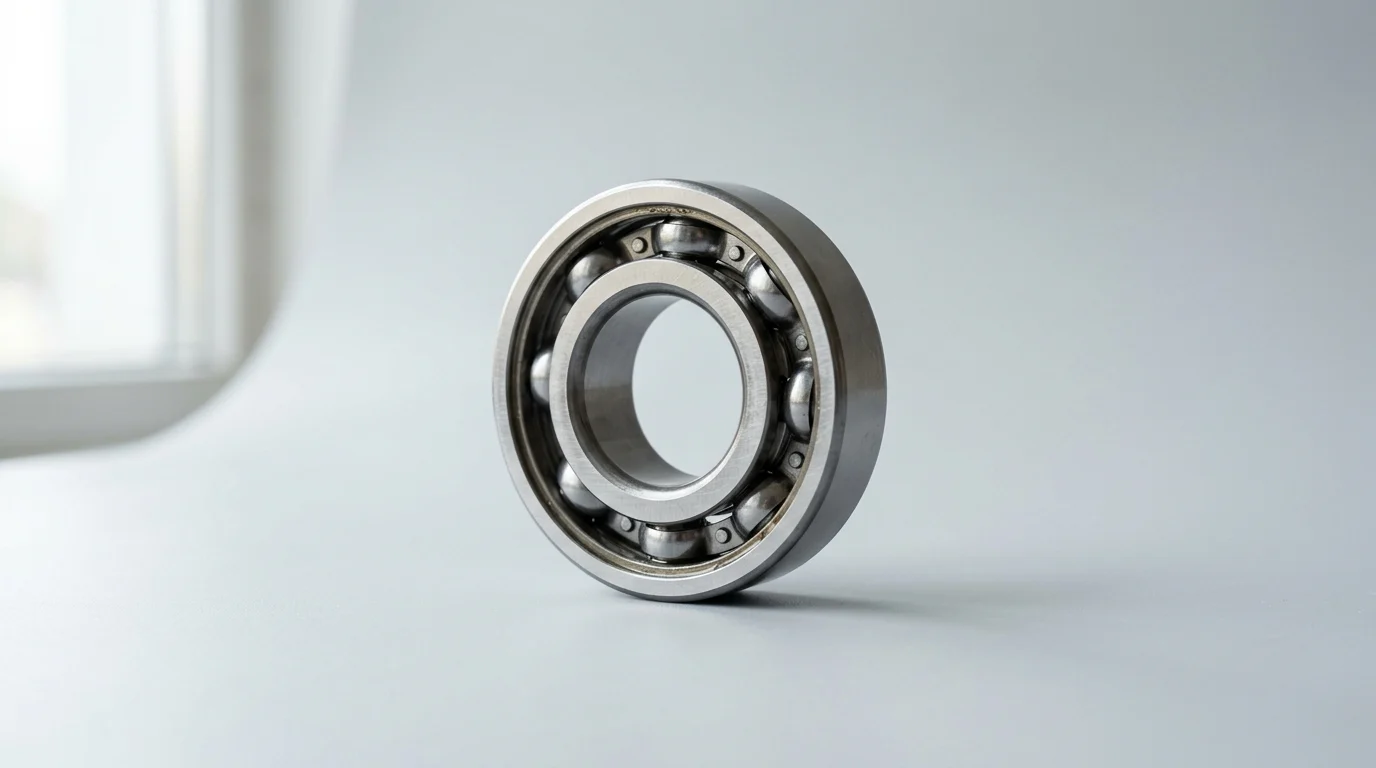
Choosing auto bearings affects far more than fitment. It influences noise levels, rotational efficiency, service life, and warranty risk across wheel ends, transmissions, motors, and auxiliary systems. OEM programs usually prioritize tight tolerances, validation standards, and platform-specific performance targets, while aftermarket applications must balance compatibility, availability, and cost across varied vehicle conditions. This guide outlines the main bearing types, load and speed considerations, material and sealing choices, and the practical differences between OEM and replacement selection. By the end, readers will have a clearer framework for matching bearing specifications to application demands and avoiding common selection errors.
Why auto bearings selection matters for OEM and aftermarket
Automotive bearing selection directly dictates the operational efficiency, safety, and lifecycle costs of modern vehicle platforms. As global automotive production shifts toward electrification and extended vehicle lifespans, the mechanical tolerances required for rotational components have tightened significantly. Selecting the correct bearing architecture is no longer just a localized engineering task; it is a critical strategic decision impacting everything from assembly line throughput to global warranty liabilities.
Impact on NVH, durability, and warranty
Noise, Vibration, and Harshness (NVH) metrics are primary performance indicators for bearing quality and overall drivetrain refinement. High-precision bearings are engineered to maintain acoustic signatures below 65 dB even at extreme rotational speeds, such as the 15,000+ RPM requirements common in modern electric vehicle (EV) traction motors. Suboptimal bearing selection accelerates micro-spalling and raceway fatigue, introducing harmonic vibrations into the chassis and leading to premature component failure.
Statistically, bearing-related defects and subsequent NVH complaints can account for up to 15% of drivetrain warranty claims early in a vehicle’s lifecycle. Specifying components with optimized internal geometries and advanced surface finishes is critical for minimizing these post-sale liabilities and ensuring long-term durability.
Differences between OEM and aftermarket requirements
Original Equipment Manufacturers (OEMs) and aftermarket distributors operate with fundamentally divergent procurement priorities. OEM applications demand highly customized, application-specific designs with strict defect rates, often targeted below 10 Parts Per Million (PPM). These buyers prioritize synchronized supply chains, extensive metallurgical traceability, and long-term lifecycle validation, frequently requiring an L10 fatigue life exceeding 300,000 kilometers.
Conversely, the independent aftermarket requires standardized form factors, broad cross-reference compatibility, and greater supply chain agility. Aftermarket buyers typically operate with lower Minimum Order Quantities (MOQs), often accepting batch runs of 500 to 1,000 units to maintain diverse inventory coverage without overextending working capital. While OEM engineers push the boundaries of load capacity and friction reduction, aftermarket procurement teams focus on balancing cost-efficiency with acceptable replacement lifespans.
Key specifications and operating conditions for auto bearings
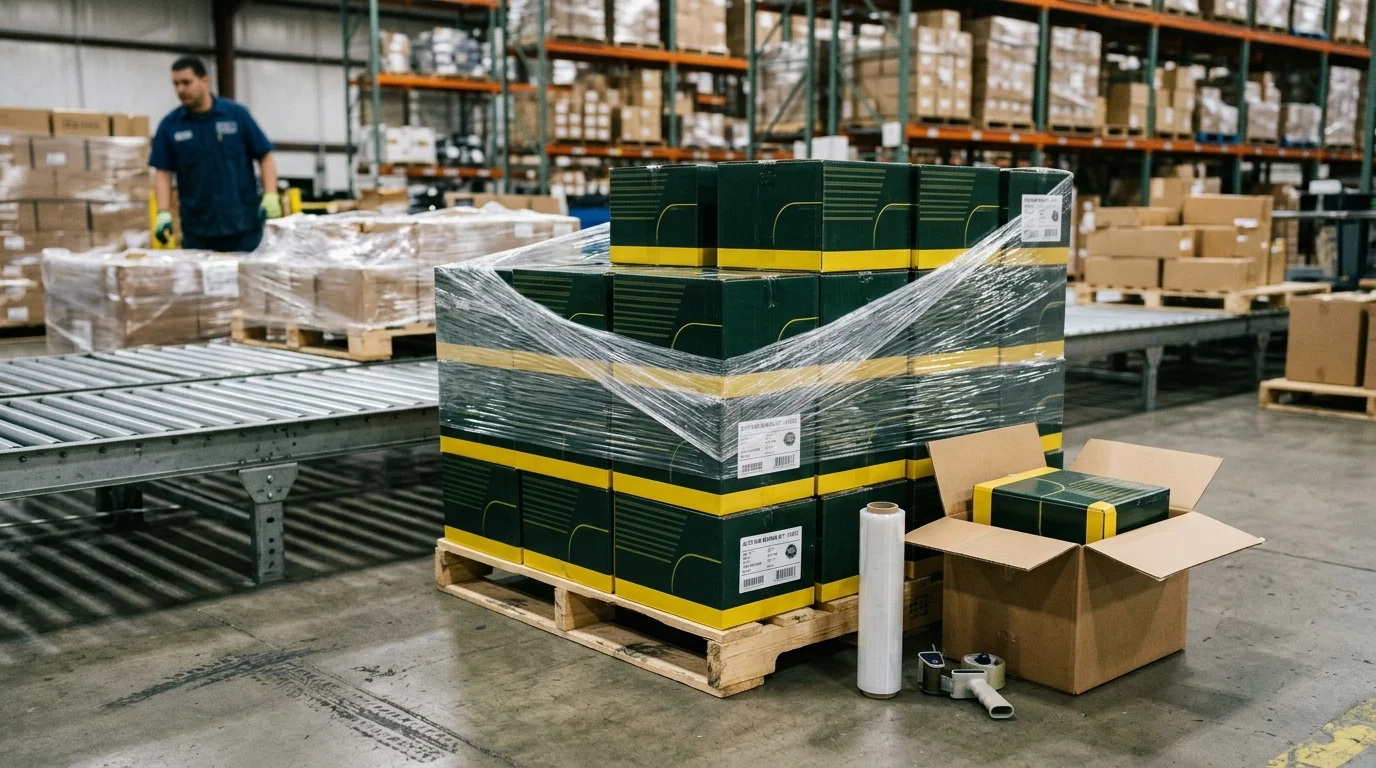
Defining precise operating parameters is the foundational step in bearing specification. Engineers must calculate the dynamic and static conditions the bearing will endure throughout the vehicle’s operational life to prevent catastrophic failure modes such as thermal runaway or brinelling.
Load, speed, clearance, preload, lubrication, and sealing
Core specifications dictate bearing architecture and internal geometry. Applications subject to high thermal expansion require specific internal radial clearances, such as C3 or C4 ratings, to prevent premature seizure as operating temperatures rise. Preload adjustments are equally critical, particularly in pinion and differential assemblies, where a deviation of just 0.05 mm can compromise gear meshing and cause rapid wear.
Furthermore, tribological requirements dictate that bearings operate with optimal grease fill volumes—typically 30% to 50% of the internal free space. The selected lubrication, utilizing advanced polyurea or lithium-complex thickeners, must withstand continuous operating temperatures up to 150°C. Sealing technologies, ranging from basic metal shields (ZZ) to advanced low-friction contact seals (2RS), must be specified based on the application’s exposure to environmental contaminants.
Comparing wheel hub, tapered roller, and ball bearings
Different bearing topologies are engineered to serve specific load profiles and spatial constraints within the automotive chassis.
| Bearing Type | Primary Load Capacity | Maximum Speed Rating (Relative) | Typical Automotive Application |
|---|---|---|---|
| Deep Groove Ball | Moderate Radial / Low Axial | High (up to 20,000 RPM) | Alternators, EV Traction Motors |
| Tapered Roller | High Radial / High Axial | Moderate (up to 8,000 RPM) | Differentials, Heavy-Duty Hubs |
| Wheel Hub Unit (Gen 1-3) | Integrated Multi-Directional | Moderate (up to 3,000 RPM) | Passenger Vehicle Wheel Ends |
Wheel hub units, particularly Generation 3 assemblies with integrated ABS sensors and pre-assembled flanges, reduce factory assembly time but require precise factory preloading. Tapered roller bearings handle the severe shock loads of commercial differentials, while deep groove ball bearings excel in high-speed, low-friction environments like auxiliary water pumps and alternators.
Using comparison tables for application-based selection
Utilizing standardized comparison matrices allows powertrain engineers and procurement teams to align bearing capabilities with specific duty cycles. By inputting anticipated radial loads (e.g., 5,000 N) and maximum operational speeds, teams can evaluate the L10 fatigue life across multiple bearing geometries side-by-side.
This comparative approach is essential during the early design phases. It ensures the selected component avoids both costly over-engineering, which unnecessarily inflates the bill of materials, and catastrophic under-specification, which leads to field failures. Engineers rely on these matrices to balance load ratings against spatial constraints and target weight reductions.
How to assess auto bearings quality
Validating auto bearing quality requires rigorous auditing of a supplier’s metallurgical competencies and manufacturing consistency. Visual inspections are entirely insufficient; true quality assessment relies on advanced material science and stringent statistical process controls.
Manufacturing controls, tolerances, and heat treatment
The metallurgical foundation of a premium automotive bearing typically relies on high-carbon chromium steel, such as 100Cr6 or SAE 52100. Proper heat treatment, including martensitic or bainitic quenching, must yield a uniform surface hardness of 60 to 64 HRC to ensure adequate fatigue resistance under cyclic loading.
Dimensional accuracy is governed by strict tolerance standards. While standard aftermarket bearings may utilize ABEC 1 (ISO Class Normal) tolerances, high-precision OEM applications frequently require ABEC 3 or ABEC 5 classifications. These higher standards mandate runout variances tighter than 5 micrometers, ensuring concentricity and minimizing parasitic friction during high-speed rotation.
PPAP, IATF 16949, ISO 9001, and testing protocols
Regulatory compliance and comprehensive documentation are non-negotiable elements of automotive supply chains. Tier 1 and OEM buyers universally mandate IATF 16949 certification, which supersedes standard ISO 9001 by enforcing advanced product quality planning (APQP) and continuous defect reduction methodologies.
Suppliers must be capable of providing a Level 3 Production Part Approval Process (PPAP) package, demonstrating robust process capability with a Cpk index greater than 1.33. Furthermore, physical validation protocols are critical for certifying environmental resilience. Hub bearing seals, for example, are routinely subjected to 500-hour salt spray tests and aggressive mud-slurry endurance testing to validate their protective integrity against real-world road conditions.
Sourcing, pricing, and logistics factors
Strategic procurement of automotive bearings involves balancing per-unit costs with supply chain reliability. Global logistics, tooling investments, and manufacturing lead times heavily influence the final sourcing architecture and inventory management strategies.
Volume forecasts, packaging, MOQs, and lead times
Accurate volume forecasting dictates production feasibility and establishes pricing tiers. Custom OEM bearing profiles typically require substantial tooling investments and mandate MOQs exceeding 10,000 units per production run to amortize setup costs. Standardized aftermarket bearings offer significantly more flexibility, with MOQs often ranging between 500 and 2,000 pieces.
Buyers must also proactively account for extended logistics cycles. Offshore manufacturing lead times frequently span 12 to 16 weeks from the issuance of a purchase order to port delivery. This extended pipeline necessitates robust safety stock calculations and accurate demand forecasting to prevent costly assembly line disruptions or aftermarket stockouts.
Branded, private-label, and cross-reference options
The aftermarket landscape offers multiple branding and sourcing strategies. Premium branded bearings carry a 20% to 40% price premium, a cost justified by extensive R&D, guaranteed metallurgical purity, and global warranty support. Conversely, private-label sourcing allows distributors to capture higher profit margins, provided they implement stringent third-party quality audits to verify supplier claims.
Effective cross-referencing databases are an essential tool for aftermarket buyers. The ability to match proprietary OEM part numbers with standardized industrial dimensions (e.g., identifying a specialized alternator bearing as a standard 6206-2RS equivalent) allows procurement teams to optimize inventory consolidation and leverage economies of scale.
Step-by-step sourcing process for buyers
A resilient sourcing process begins with a comprehensive supplier audit, evaluating raw material traceability and automated inspection capabilities, such as 100% eddy current testing for microscopic raceway cracks.
Procurement teams should execute a phased sampling and validation strategy. This typically involves an initial prototype evaluation, followed by a pilot production run of 100 to 200 units to verify assembly line integration and packaging durability before committing to high-volume, multi-year production contracts.
How to choose the right auto bearings strategy
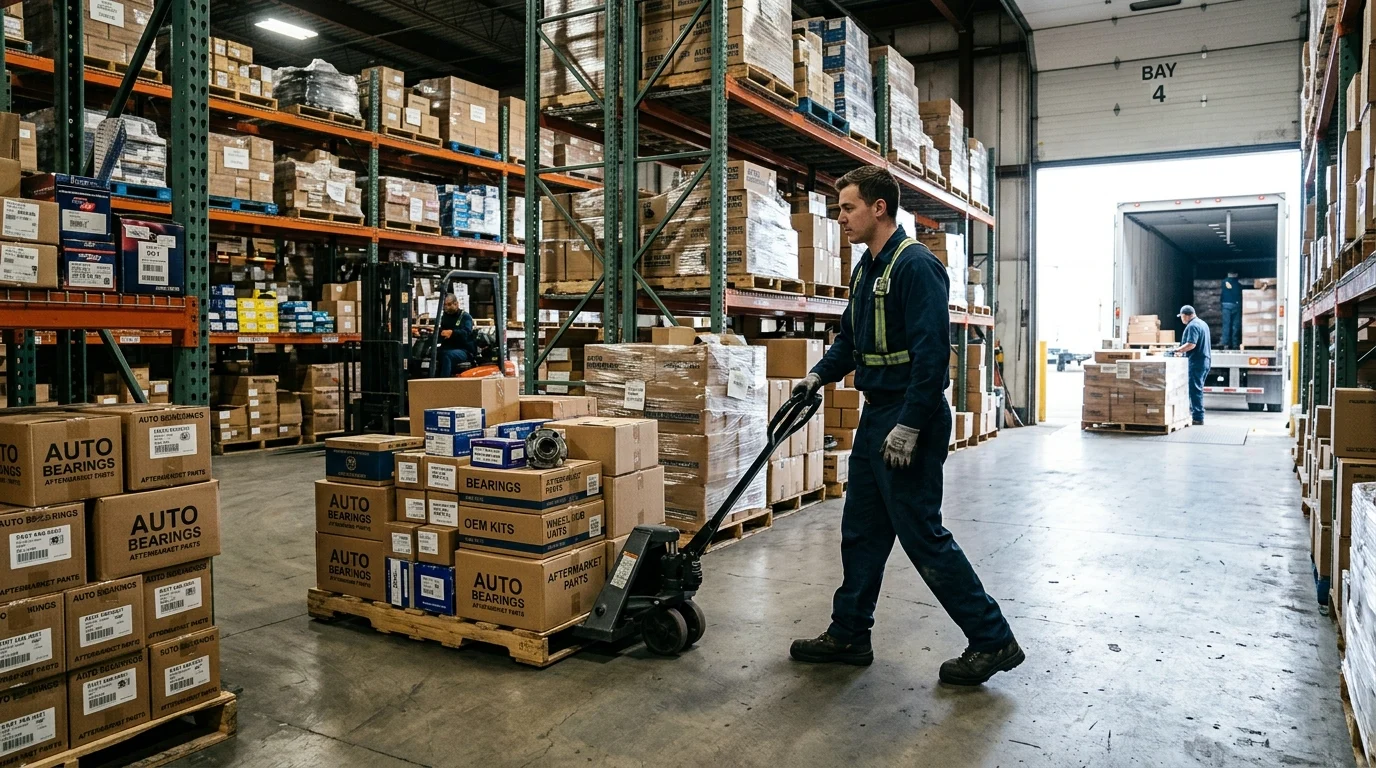
Finalizing an automotive bearing strategy requires aligning engineering specifications with overarching commercial objectives. The optimal approach mitigates supply chain risk while maximizing total lifecycle value for the end user.
Decision matrix by application and market
A structured decision matrix helps clarify the procurement path based on the target market tier and risk tolerance.
| Market Tier | Primary Sourcing Priority | Acceptable Defect Rate | Typical Pricing Strategy |
|---|---|---|---|
| OEM / Tier 1 | Custom Engineering & Zero Defects | < 10 PPM | Long-term contract, high tooling cost |
| Premium Aftermarket | Brand Reputation & Broad Coverage | < 500 PPM | Moderate premium, value-added packaging |
| Economy Aftermarket | Cost Reduction & Fast Turnover | < 1,500 PPM | Spot buying, high volume discounts |
This matrix illustrates how strategic priorities shift across the automotive ecosystem. OEM buyers must invest heavily in long-term supplier development to achieve near-zero defects, while economy aftermarket buyers prioritize supply chain agility, cross-compatibility, and aggressive unit cost reduction.
Final selection criteria for procurement and engineering
The ultimate selection criteria must encompass the Total Cost of Ownership (TCO) rather than focusing solely on the initial piece price. While unit cost is a primary driver, procurement professionals must accurately quantify the hidden costs of poor quality.
Substandard bearings can result in severe financial penalties, including assembly line stoppages, expedited freight costs (which can add up to $5.00 per kilogram for emergency air shipping), and complex warranty adjudication. By integrating strict engineering validation with rigorous commercial performance metrics, organizations can secure a bearing supply chain that delivers unwavering mechanical reliability and sustained commercial efficiency.
Key Takeaways
- The most important conclusions and rationale for auto bearings
- Specs, compliance, and risk checks worth validating before you commit
- Practical next steps and caveats readers can apply immediately
Frequently Asked Questions
How do I choose between OEM and aftermarket auto bearings?
Use OEM bearings for custom specs, traceability, and long life targets. Choose aftermarket options when you need standard sizes, cross-reference compatibility, and flexible order quantities.
Which auto bearing type fits wheel hubs, differentials, and motors?
Wheel hub units suit wheel ends, tapered roller bearings fit differentials and heavy hub loads, and deep groove ball bearings work best for high-speed motors, alternators, and pumps.
What operating data should I confirm before selecting an auto bearing?
Check load, speed, temperature, clearance, preload, lubrication, and sealing. For hot applications, verify if C3 or C4 clearance and 2RS or ZZ sealing are required.
Why is bearing quality important for NVH and warranty control?
Poor bearing precision can raise noise, vibration, and early fatigue, leading to warranty claims. High-precision, low-noise bearings help improve durability and smoother vehicle operation.
Can DEMY Bearings support OEM and distributor auto bearing sourcing?
Yes. DEMY offers a broad automotive bearing range, e-catalog support, and ISO/TS16949-backed manufacturing, which helps OEM buyers and distributors source consistent, application-matched bearings.
Post time: Apr-28-2026