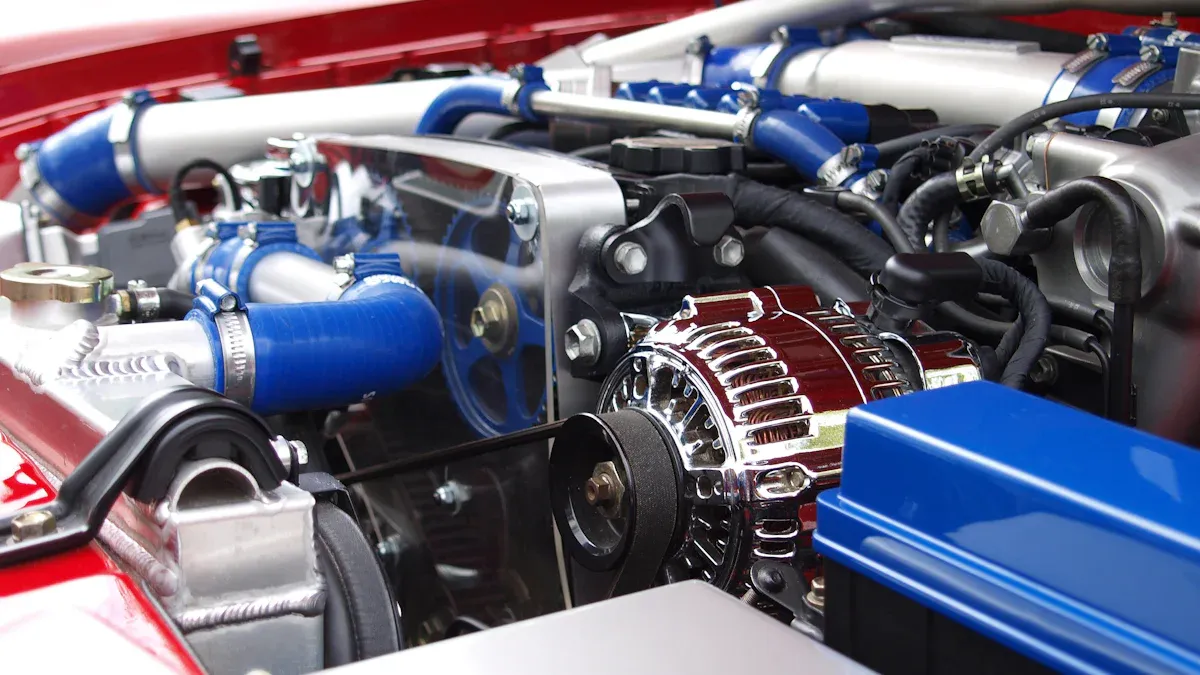
Bearings play a vital role in both automotive and industrial machinery. They support moving parts and significantly reduce friction, which enhances overall performance. For instance, wheel bearings for automotive systems allow smooth rotation, while bearings for machinery ensure efficient operation in various applications. In industrial present use cases, high precision bearings are essential. They improve reliability and longevity, making them a top choice for many industries. Understanding why choose high precision bearings for industry can lead to better operational outcomes, especially in applications like air conditioning bearing industrial application, where performance is critical.
Key Takeaways
- Bearings are crucial for reducing friction and enhancing performance in both automotive and industrial machinery.
- Regular maintenance of wheel and engine bearings can extend their lifespan and improve vehicle safety.
- Proper lubrication is essential for conveyor and pump bearings to prevent failures and ensure smooth operation.
- High-quality bearings can significantly improve energy efficiency and reduce operational costs in industrial applications.
- Selecting the right type of bearing for specific applications is vital for optimal performance and longevity.
Automotive Applications
Wheel Bearings
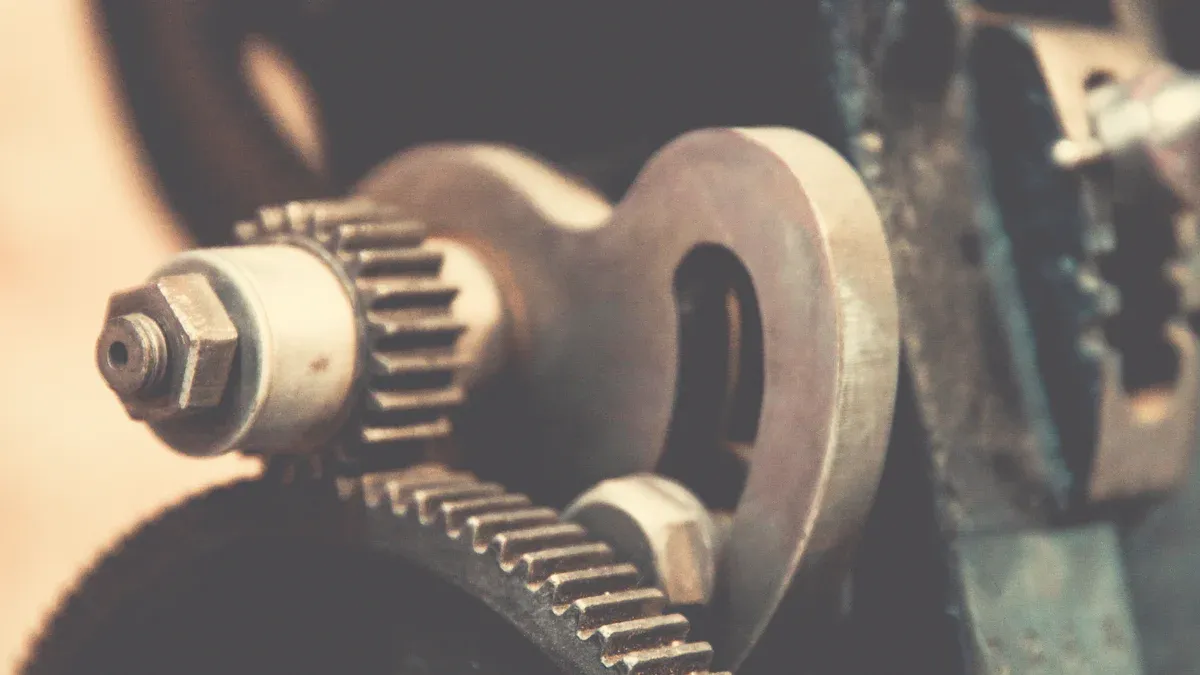
Wheel bearings are essential components in vehicles, allowing the wheels to rotate smoothly. They support the vehicle’s weight and maintain proper alignment, which is crucial for stability and handling. Common types of wheel bearings include ball bearings and tapered roller bearings. These bearings help reduce friction, enhancing fuel efficiency and overall performance.
Tip: The average lifespan of wheel bearings in passenger vehicles ranges from approximately 85,000 to 100,000 miles. Regular maintenance can extend their life and improve safety.
Faulty wheel bearings can lead to several issues. Increased friction from worn-out bearings can cause excessive heat buildup, potentially damaging other components. Additionally, uneven tire wear may occur, compromising vehicle safety. In extreme cases, deteriorating wheel bearings can result in a loss of control during high-speed maneuvers.
Engine Bearings
Engine bearings play a critical role in automotive engines. They support moving parts like connecting rods and crankshafts, reducing friction and wear. Common materials used in engine bearings include high-purity chrome alloy steel and various plastics.
| Component | Material Used |
|---|---|
| Inner/Outer Ring | High-purity chrome alloy steel |
| Rolling Elements | High-purity chrome alloy steel, ceramics, plastics |
| Cage | Steel, brass, plastic |
Large engine bearings significantly enhance vehicle performance by minimizing energy loss, which directly correlates with better fuel efficiency. A 2022 report indicated that poor-performing differential bearings could decrease fuel economy by up to 3%.
Transmission Bearings
Transmission bearings are vital for smooth gear shifting and power transfer in vehicles. Needle bearings and roller bearings are the primary types used in modern transmissions. These bearings reduce friction and ensure efficient operation.
Degraded transmission bearings can lead to increased noise levels during operation. Indicators of bearing issues include spalling or brinelling, which create rumbling noises that intensify with speed. Proper maintenance of these bearings is essential for optimal vehicle performance.
Steering System Bearings
Steering system bearings are crucial for vehicle maneuverability and control. These bearings, particularly knuckle bearings, serve as the pivot point in the steering system. They connect the steering tie rod to the steering knuckle, allowing free rotation in all directions. This design transmits forces from the tie rod to the knuckle, which is essential for controlling the steering angle of the wheels. By reducing friction, these bearings enhance vehicle handling and safety, ensuring a responsive driving experience.
Tip: Regular inspection of steering system bearings can prevent steering issues and improve overall vehicle performance.
Suspension System Bearings
Suspension system bearings play a significant role in ride comfort and vehicle stability. They absorb impacts and maintain alignment, which enhances both comfort and control. Common types of bearings used in suspension systems include Spherical Plain Bearings (SPBs) and Shock Absorber Bearings.
- Spherical Plain Bearings (SPBs): These bearings help absorb shocks and maintain proper alignment, contributing to a smoother ride.
- Shock Absorber Bearings: They reduce vibrations and improve suspension performance, which is vital for overall vehicle stability.
Proper maintenance of suspension system bearings ensures durability and enhances the driving experience. Neglecting these components can lead to increased wear and tear, affecting ride quality and safety.
Note: Investing in high-quality automotive bearings can significantly improve the longevity and performance of both steering and suspension systems.
Industrial Machinery Applications
Electric Motor Bearings
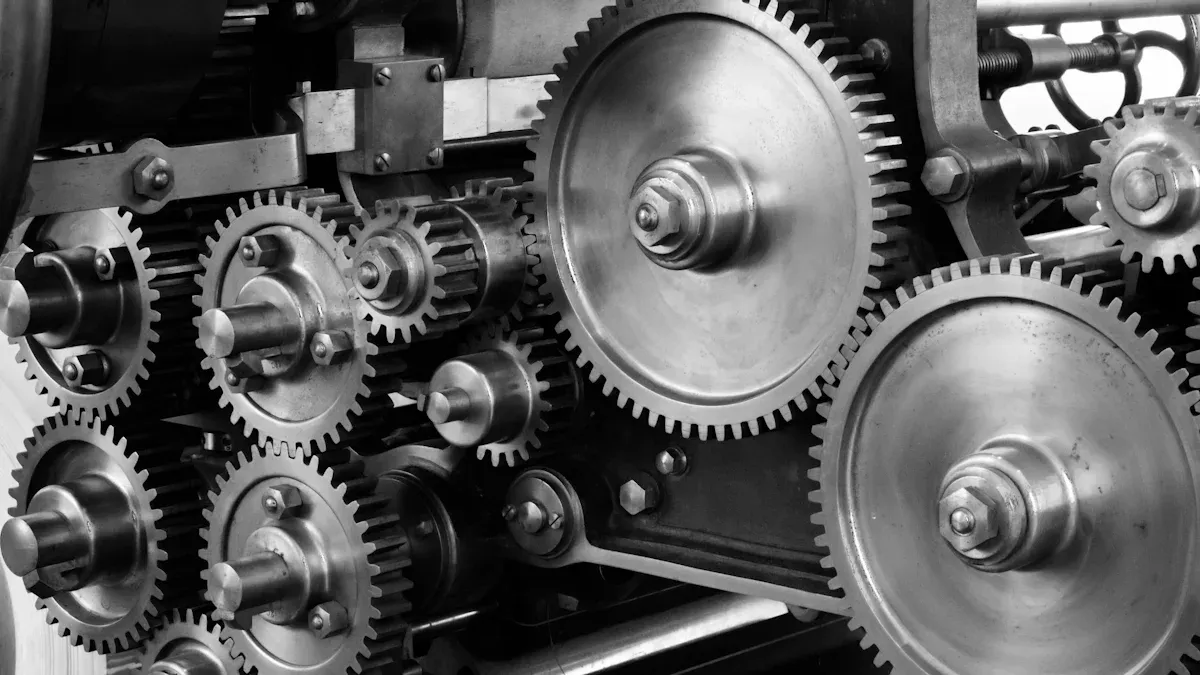
Electric motor bearings are crucial for the efficient operation of motors in various industrial applications. They minimize friction, which enhances energy efficiency and reduces noise levels. Properly functioning bearings can save up to 30% of energy when optimized. Additionally, they help distribute loads evenly, preventing noise from uneven surfaces.
| Factor | Description |
|---|---|
| L10/B10 Life | Indicates the lifespan where ten percent of bearings may fail due to fatigue. |
| Maintenance | Some bearings require periodic maintenance, while others are designed for maintenance-free operation. |
| Composite Bearings | Can operate up to 30 years without maintenance, depending on specifications. |
Conveyor System Bearings
Conveyor systems rely heavily on bearings to ensure smooth operation. Two common types used in these systems are self-aligning ball bearings and deep groove ball bearings.
- Self-aligning Ball Bearings: These bearings accommodate misalignments, ensuring efficient operation even under less-than-perfect conditions.
- Deep Groove Ball Bearings: Known for their versatility, these bearings handle both radial and axial loads, providing low-friction rotation suitable for various applications.
Proper lubrication is essential for conveyor system bearings. A significant portion of bearing failures, specifically 54%, is attributed to lubrication issues. This highlights the importance of maintaining optimal lubrication to reduce downtime and maintenance costs.
Pump Bearings
Pump bearings play a vital role in maintaining fluid flow and operational reliability. They must withstand various stresses and environmental factors. Common causes of pump bearing failures include:
- Lubrication Failure: Issues like under-lubrication or using the wrong lubricants can lead to mechanical failures.
- Contamination: Small particles can cause abrasive wear and corrosion, leading to premature failure.
- Misalignment: Incorrect alignment increases stress on bearings, resulting in wear and eventual failure.
Properly mounted and lubricated bearings ensure optimal performance, directly affecting the reliability of the entire pumping system. When bearings fail, the entire machine’s performance suffers, leading to overheating and abnormal wear, which necessitates immediate attention.
Gearbox Bearings
Gearbox bearings play a crucial role in the performance of industrial gearboxes. They support gears and shafts, allowing for smooth operation under high loads. Hydrodynamic bearings are particularly effective in these applications. They enhance performance by reducing friction and increasing power density. These bearings excel in environments requiring high load handling, such as wind turbines and turbomachinery. Their design allows for higher load capacities while minimizing installation space.
The contribution of gearbox bearings to noise reduction and efficiency is significant. The following table outlines their mechanisms:
| Mechanism | Contribution to Noise Reduction and Efficiency |
|---|---|
| Minimizing Friction | Supports gears and shafts, reducing contact friction, which is a major source of noise. |
| Vibration Damping | Absorbs vibrations generated during high-speed operations, preventing noise amplification. |
| Improving Load Distribution | Evenly distributes load across the gear system, reducing noise from localized stresses and deformations. |
| Enhanced Lubrication | Minimizes friction and wear, allowing smoother operation and further reducing operational noise. |
Proper maintenance of gearbox bearings ensures optimal performance and longevity, directly impacting the efficiency of the entire gearbox system.
Robotics Bearings
Robotics bearings are essential components in automated machinery. They must meet unique requirements to function effectively in compact spaces. Key characteristics include:
- Compact design to fit limited spaces.
- Low friction to enhance overall system efficiency.
- Lightweight construction to improve performance.
High-quality ball bearings significantly reduce friction, enabling machines to operate more smoothly. This reduction not only extends the lifespan of the machinery but also contributes to improved efficiency and sustainability.
Crossed roller bearings are particularly noteworthy in robotics applications. Their design features cylindrical rollers arranged at right angles, providing high rigidity and precise motion control. This precision is crucial for robotics and automated systems, ensuring accurate movements and enhanced operational capabilities.
Bearings are essential for the smooth operation of automotive and industrial machinery. They enhance performance, reliability, and efficiency. High-quality bearings offer several benefits:
| Benefit | Description |
|---|---|
| Handle Misalignment | Spherical ball bearings can manage misalignment without losing performance. |
| Support High Loads | These bearings are ideal for applications involving high thrust loads. |
| Reduce Friction | Needle bearings effectively minimize friction in confined spaces. |
| Maintain Performance in Demanding | Their design allows them to function well in various challenging environments. |
Selecting the right bearings is crucial for minimizing maintenance costs. Poor lubrication and contaminants can lead to failures, increasing downtime. Thus, investing in high-quality bearings not only improves machinery performance but also reduces long-term operational costs.
FAQ
What are the main functions of bearings in machinery?
Bearings support moving parts, reduce friction, and enhance efficiency. They ensure smooth operation in automotive and industrial applications, contributing to overall performance and longevity.
How often should bearings be maintained?
Maintenance frequency depends on the application and operating conditions. Regular inspections every 6 to 12 months can help identify issues early and prolong bearing life.
What materials are commonly used for bearings?
Common materials include high-purity chrome alloy steel, ceramics, and various plastics. These materials provide durability, low friction, and resistance to wear.
How do I know if a bearing is failing?
Signs of bearing failure include unusual noises, excessive heat, and vibrations. Regular monitoring can help detect these issues before they lead to significant problems.
Can I replace bearings myself?
Replacing bearings can be complex. It requires specific tools and knowledge. For optimal results, consider consulting a professional or following manufacturer guidelines.
Post time: Mar-28-2026