Introduction: Wobble Is Not Just a Blade Problem
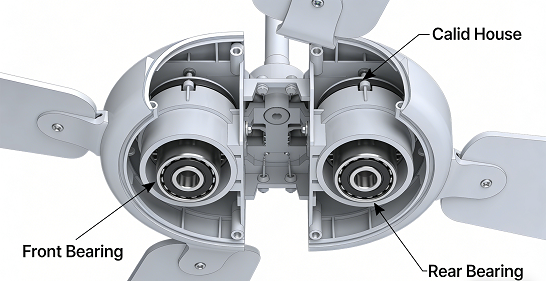
When a ceiling fan begins to wobble, most users immediately suspect loose screws or uneven blades. However, from a manufacturer’s perspective, the root cause often lies deeper inside the motor system—specifically in the fan motor bearings. As a professional bearing manufacturer, DEMY understands that long-term stability depends not only on external balance but on internal rotational precision and structural integrity.
The Real Root Cause: Internal Clearance and Dynamic Balance
A ceiling fan rotates thousands of hours over its lifetime. If internal bearing clearance increases due to wear or low-grade materials, shaft support becomes unstable. Even slight changes in internal geometry can amplify vibration through the blades. This phenomenon is directly linked to bearing internal clearance control, a critical factor in maintaining dynamic balance in high-speed rotating systems.
Manufacturing Precision Determines Stability
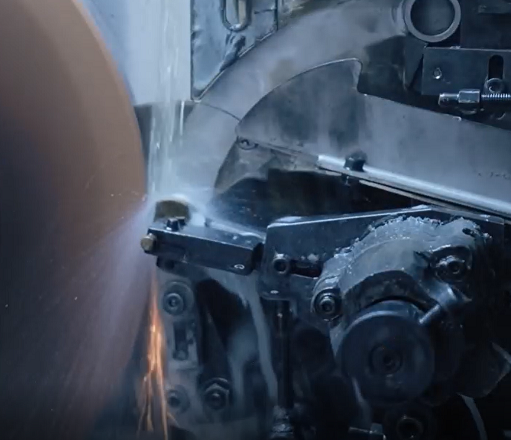
From a manufacturing standpoint, wobble prevention begins long before installation. High roundness accuracy of raceways, optimized surface roughness, and uniform heat treatment are essential. Poor machining consistency leads to uneven load distribution, accelerating vibration. DEMY applies strict tolerance standards to ensure superior rotational accuracy, minimizing micro-deviation that can evolve into visible wobble over time.
Seal Performance and Lubrication Retention
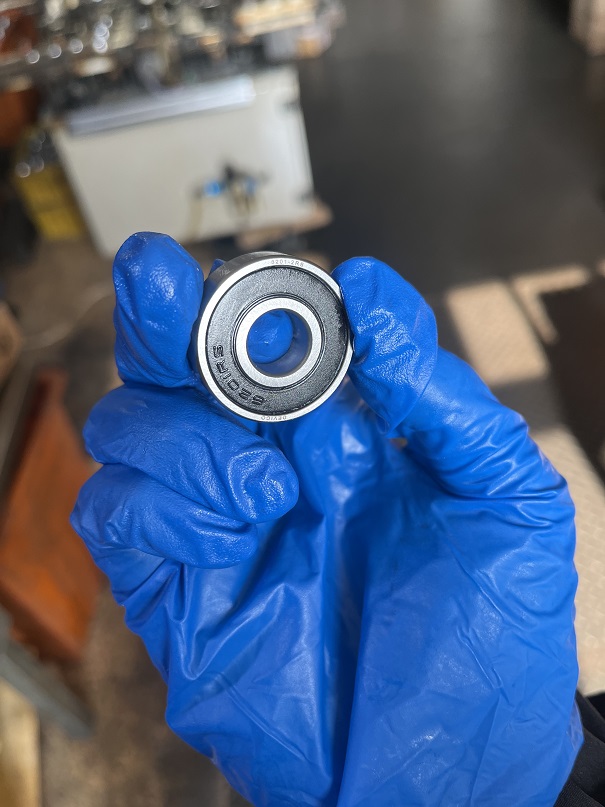
In household environments, dust and humidity are unavoidable. Once contamination enters the bearing, grease degradation accelerates, increasing friction and noise. That is why seal design is equally important as material selection. Advanced sealed bearing technology ensures long-term grease retention while preventing foreign particles from entering the raceway.
Diagnosis from an Engineering Perspective
For users experiencing fan wobble, basic diagnostics can confirm whether internal components are involved. Increased vibration at higher speeds, humming sounds, or reduced rotational smoothness often indicate internal imbalance rather than blade misalignment. Using smartphone vibration measurement apps can provide preliminary insights, but persistent instability usually traces back to compromised bearing structural integrity.
Lubrication vs. Replacement: A Lifecycle Decision
While temporary lubrication may reduce noise in early stages, excessive clearance cannot be corrected once wear progresses. From a lifecycle cost standpoint, timely replacement with high-quality components prevents motor overload and secondary damage. Choosing engineered low-noise appliance bearings ensures smoother performance and extends overall appliance lifespan.
DEMY: Engineering Quiet and Stable Performance
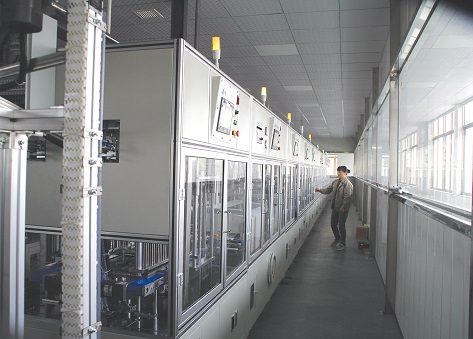
As an experienced manufacturer specializing in fan applications, DEMY designs bearings optimized for low vibration and extended durability. Precision grinding, strict quality inspection, and controlled grease filling contribute to stable, quiet operation. Our bearings are developed specifically for appliance motors requiring consistent torque, minimal noise, and reliable long-term performance. Through advanced appliance bearing solutions, DEMY supports fan manufacturers and distributors worldwide.
Post time: Mar-02-2026