Introduction: When Engine Noise Is More Than Just Annoying
A noisy engine can quickly turn from a minor concern into a major repair bill. Many drivers ignore unusual sounds, assuming they are temporary. However, persistent knocking or rumbling may indicate problems with the crankshaft bearings, critical components that support the crankshaft and ensure smooth engine rotation. Early detection not only reduces repair anxiety but also prevents catastrophic engine damage.
Recognizing Abnormal Crankshaft Bearing Noise
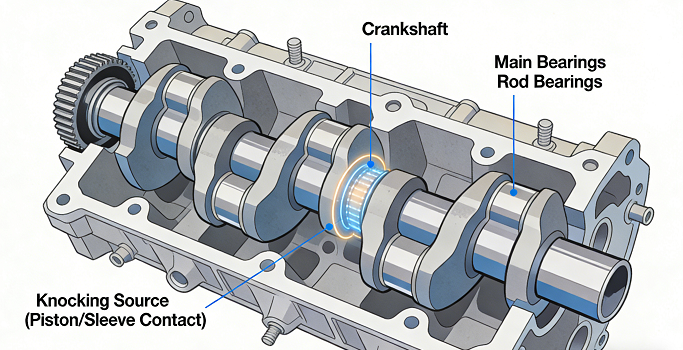
One of the most common warning signs is a deep knocking sound that changes with engine speed. This low-pitched metallic tapping often becomes louder during acceleration and decreases at idle. Such engine knocking noise typically results from excessive clearance between the crankshaft journal and bearing surface. As wear progresses, the oil film can no longer fully separate metal surfaces, causing direct contact and audible impact.
Signs of Bearing Wear: Oil Pressure and Metal Debris
Crankshaft bearings rely heavily on a stable oil film for lubrication and cooling. When wear increases internal clearance, oil pressure may drop noticeably. Drivers might see warning lights or fluctuating readings on the dashboard. Additionally, during oil changes, the presence of metallic particles in the oil filter or drain pan can indicate advanced bearing wear symptoms. These metal fragments are often the result of surface scoring or fatigue damage.
When Should You Replace Crankshaft Bearings?
Replacement decisions depend on the severity of symptoms and inspection results. If knocking persists, oil pressure remains low, or visible scoring appears on crankshaft journals, immediate replacement is necessary to avoid total engine failure. However, if noise is minimal and oil pressure remains stable, professional diagnosis may determine whether continued monitoring is safe. Understanding the right timing for crankshaft bearing replacement can save thousands in unnecessary repairs or prevent catastrophic breakdowns.
Key Considerations During Replacement
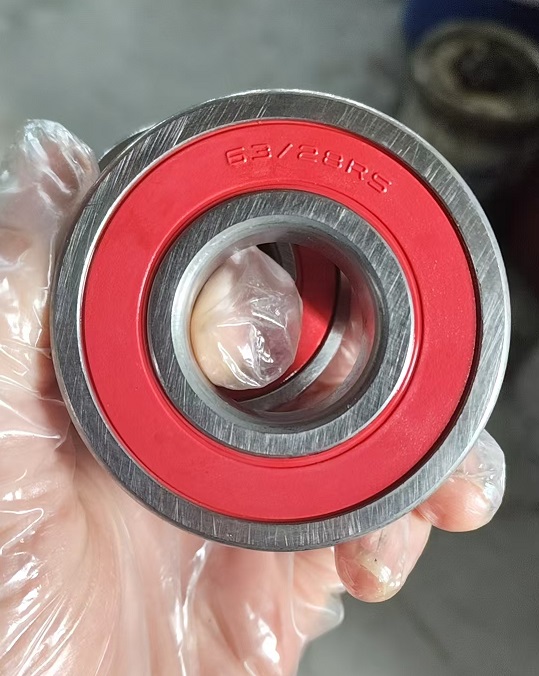
Replacing crankshaft bearings is a precision task requiring accurate measurement of journal diameter, clearance verification, and proper torque procedures. Always maintain strict cleanliness and use high-quality lubricants during assembly. Selecting reliable components is equally important, as poor-quality bearings can fail prematurely under high loads and temperatures typical in modern engines.
Why Choose DEMY High-Temperature Engine Bearings?
DEMY develops advanced high-temperature engine bearings engineered for durability under extreme operating conditions. Here are five key advantages:
-
Optimized material composition for superior load capacity
-
Precision-machined surfaces for consistent oil film formation
-
Enhanced fatigue resistance for long-term reliability
-
Excellent heat stability under sustained high RPM
-
Strict quality inspection ensuring dimensional accuracy
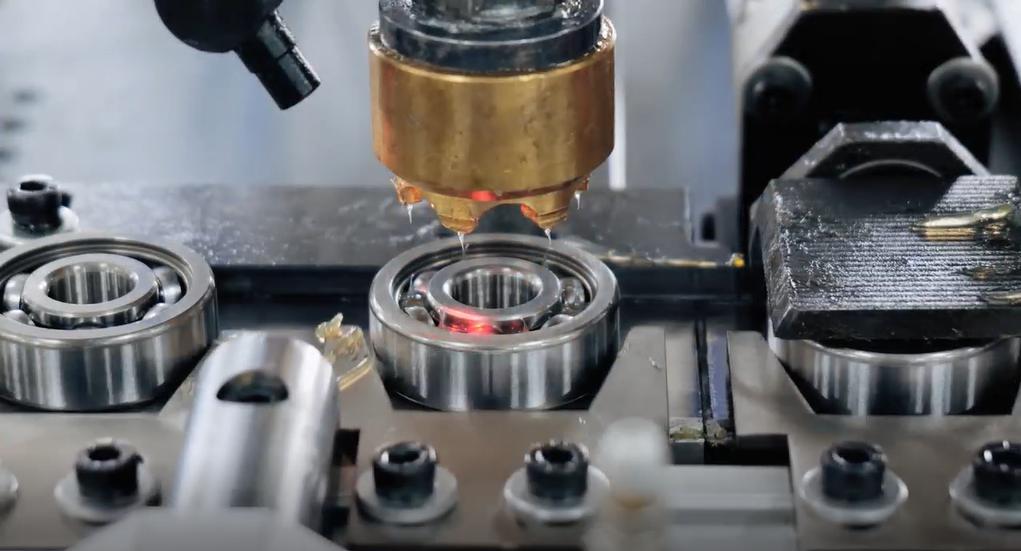
These features help reduce friction, stabilize oil pressure, and extend engine service life.
Conclusion: Act Early, Drive with Confidence
Engine noise should never be ignored. Identifying crankshaft bearing issues early prevents secondary damage to connecting rods, journals, and engine blocks. By combining proper diagnosis with high-quality components, drivers can restore smooth operation and avoid costly downtime. With precision manufacturing and robust material technology, DEMY provides dependable solutions designed to protect your engine investment.
Post time: Feb-25-2026