Bearings are precision components, and damage can occur long before they are ever installed. Improper storage and handling are often overlooked, yet they are responsible for many cases of immediate bearing failure after installation. Even a small amount of corrosion, contamination, or deformation during storage can significantly shorten service life and increase maintenance costs. Understanding and avoiding common storage mistakes is essential for protecting product value and ensuring reliable operation.
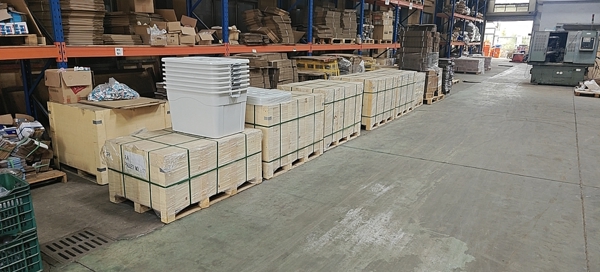
Mistake 1: Exposure to Moist or Humid Environments
Storing bearings in areas with high humidity or temperature fluctuations is a major risk. Moisture can penetrate packaging over time, leading to rust on raceways and rolling elements, even when anti-corrosion oil is present. Once corrosion starts, bearing performance is compromised permanently. Proper climate control and sealed storage are critical for effective corrosion prevention.
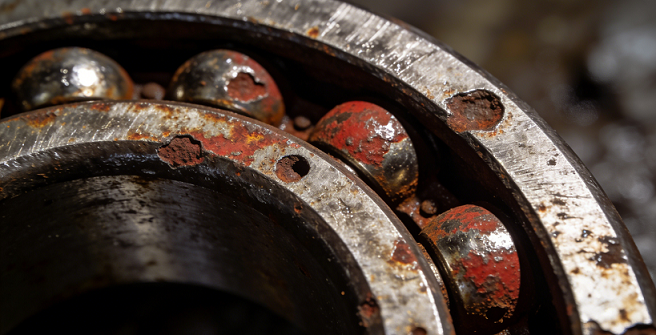
Mistake 2: Placing Bearings Directly on the Floor or Dirty Surfaces
When bearings are stored directly on the ground or unclean surfaces, they are exposed to vibration, dust, and debris. Micro-vibrations can cause false brinelling, while dirt can penetrate packaging and damage internal surfaces. Bearings should always be stored on clean shelves or pallets to reduce the risk of contamination and mechanical stress.
Mistake 3: Removing Original Packaging Too Early
Original bearing packaging is designed to provide controlled protection against dust, moisture, and handling damage. Removing this packaging too early exposes bearings to environmental risks and accidental contact. Unless the bearing is ready for immediate installation, it should remain sealed in its factory packaging to maintain product integrity.
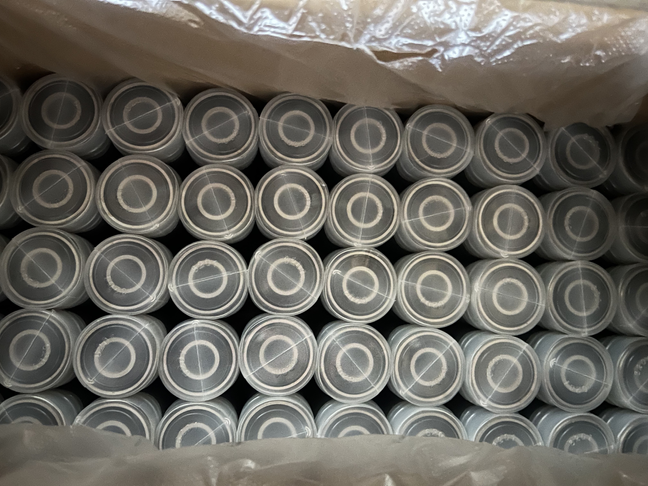
Mistake 4: Improper Stacking and Excessive Load
Stacking bearing boxes without considering load limits can deform rings, especially for larger or thinner-section bearings. Excessive weight on lower layers may cause subtle distortion that is difficult to detect visually but can lead to premature failure in operation. Correct stacking methods and load control help protect bearing dimensional accuracy.
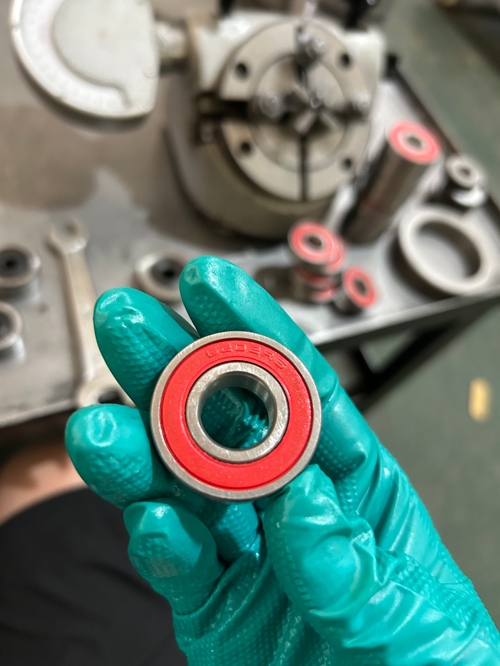
Mistake 5: Direct Hand Contact with Unprotected Bearings
Touching unwrapped bearings with bare hands introduces sweat, moisture, and salts to precision surfaces. These residues can quickly lead to corrosion marks that affect performance. Clean gloves or handling tools should always be used when direct contact is unavoidable to protect bearing surface integrity.
Mistake 6: Ignoring the First-In, First-Out Principle
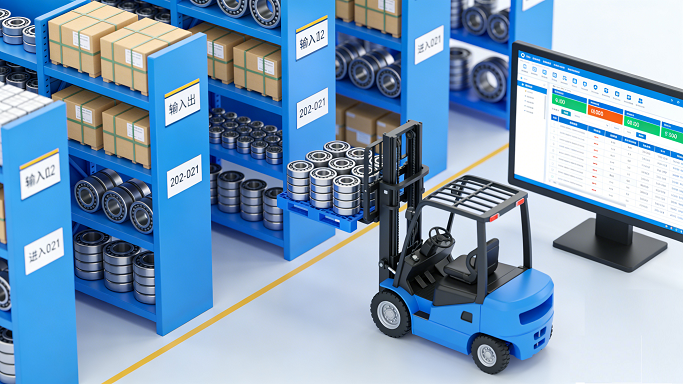
Failing to follow a first-in, first-out (FIFO) inventory system can result in bearings remaining in storage beyond their recommended shelf life. Over time, grease properties may degrade and corrosion protection may weaken. Proper inventory rotation ensures bearings are used within their optimal condition window and supports efficient bearing inventory management.
Conclusion: Protect Bearing Quality from Storage to Installation
Correct storage and handling are just as important as proper installation. By avoiding these common mistakes, companies can reduce waste, prevent early failures, and protect their investment in precision components. DEMY provides bearings with standardized protective packaging and clear storage guidelines to ensure product quality from factory to final installation. For long-term reliability and cost control, following proven DEMY bearing standards is the smartest choice.
Post time: Jan-14-2026