Automotive bearings are critical components that facilitate smooth movement and reduce friction in various parts of a vehicle, including the wheels, engine, and transmission. The materials used in these bearings significantly influence their performance, durability, and overall reliability. In this article, we will explore the different materials commonly used for automotive bearings, their properties, and the advantages they offer.
————————————————————————————————————————————————————————————————-
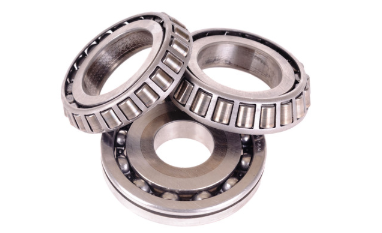
1. Understanding Automotive Bearings
Definition:
Automotive bearings are mechanical devices that allow for rotational or linear movement between parts while minimizing friction. They are essential for the efficient functioning of various automotive systems.
Key Features:
• Load Capacity: Bearings must support both radial and axial loads.
• Durability: They should withstand harsh operating conditions, including temperature fluctuations and exposure to contaminants.
• Low Friction: High-quality bearings reduce friction, enhancing performance and fuel efficiency.
2. Common Materials Used in Automotive Bearings
a. High-Carbon Chromium Steel
• Description: High-carbon chromium steel, such as AISI 52100, is the most widely used material for automotive bearings. It is known for its excellent hardness and wear resistance.
• Properties:
• High tensile strength
• Good fatigue resistance
• Excellent wear resistance
• Advantages: This material provides a long service life and is suitable for high-load applications, making it ideal for wheel bearings and engine components.
b. Stainless Steel
• Description: Stainless steel bearings are often used in environments where corrosion resistance is essential, such as in automotive applications exposed to moisture and harsh weather conditions.
• Properties:
• Corrosion-resistant
• Good mechanical properties
• Moderate wear resistance
• Advantages: Stainless steel bearings are durable and require less maintenance, making them suitable for various automotive applications, including brake systems and suspension components.
c. Bronze and Brass Alloys
• Description: Bronze and brass alloys are often used in automotive bearings, particularly in applications requiring good wear resistance and low friction.
• Properties:
• Excellent machinability
• Good corrosion resistance
• High load-bearing capacity
• Advantages: These materials are often used in bushings and sleeve bearings, providing reliable performance in engine components and transmission systems.
d. Polymer Composites
• Description: Polymer composite bearings are made from advanced plastic materials, often reinforced with fibers for added strength.
• Properties:
• Lightweight
• Good chemical resistance
• Low friction
• Advantages: These bearings are suitable for applications where weight reduction is critical, such as in electric vehicles. They also offer excellent resistance to corrosion and wear.
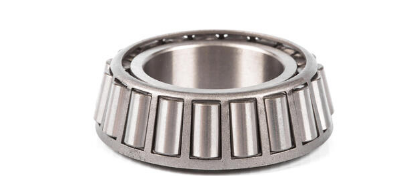
3. Choosing the Right Material for Your Automotive Bearings
When selecting bearings for your automotive applications, consider the following factors:
• Application: Different parts of the vehicle may require different bearing materials based on load, speed, and environmental conditions.
• Performance Needs: High-performance vehicles may benefit from high-carbon steel or ceramic bearings, while standard vehicles may perform well with stainless steel or polymer composites.
• Cost vs. Benefit: While high-performance materials may offer better performance, they often come at a higher cost. Assess your needs and budget accordingly.
————————————————————————————————————————————————————————————————————————————————————————–
4. Conclusion
The materials used in automotive bearings play a crucial role in determining their performance, durability, and reliability. Understanding the properties and advantages of different materials can help you make informed decisions when selecting bearings for your vehicle.
For high-quality automotive bearings made from premium materials please contact us. Let us help you find the perfect bearing solutions to enhance your vehicle’s performance and longevity!
Post time: Nov-24-2025